
Loan Basics
Do You Keep Driving Your Car During a Title Loan? Yes, and Here Is Why
June 25, 2026 · 4 min read
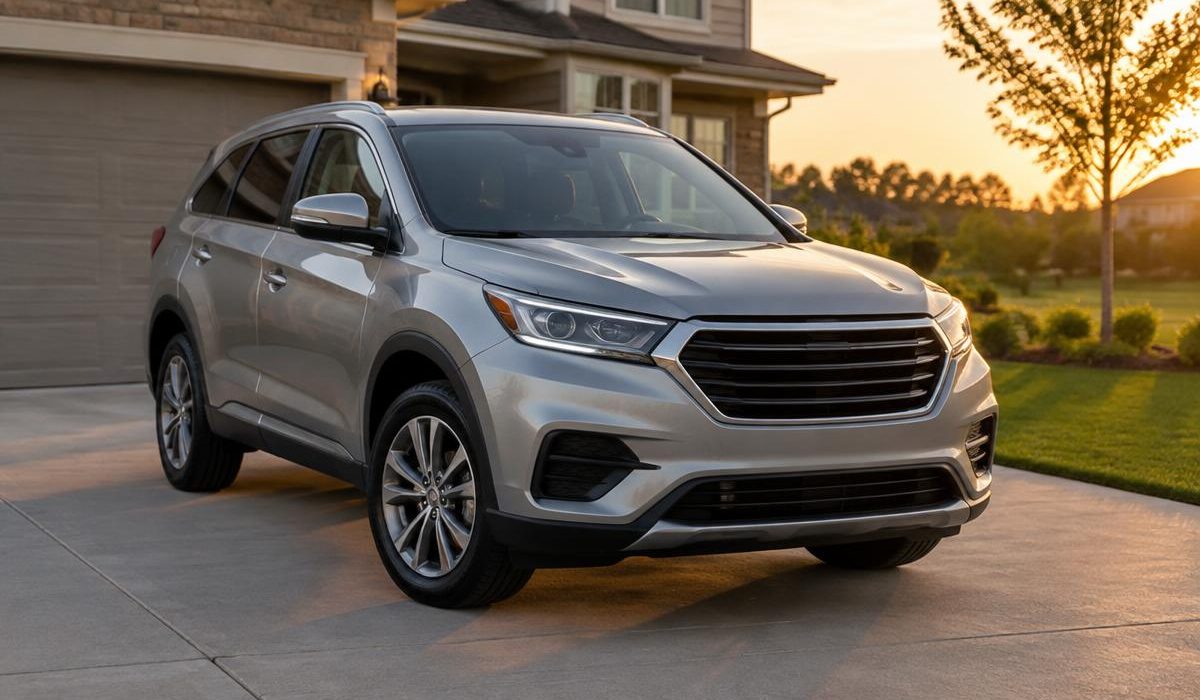
The lender holds the title, not the vehicle. Understanding that distinction clears up the biggest misconception in vehicle-secured lending.
Short answer up front, then the two exceptions worth knowing.
Title versus possession
A title loan places a lien on your vehicle's title. The physical car stays with you. You drive it to work, take it on trips, and use it exactly as before. Lenders have no operational interest in storing vehicles, and a car sitting in a lot generates nothing for anyone.
What actually changes
Three things change during the loan. You must keep the vehicle insured to the level your agreement requires. You cannot sell or transfer the vehicle until the lien is released. And in most states you must notify the lender before moving the vehicle out of state for an extended period.
Those are the entire practical constraints for a borrower who pays on time. Everything else about ownership stays the same.
GPS units and starter interrupters
Some lenders install a GPS tracker or a starter interrupt device as a condition of funding. Several states restrict or ban starter interrupters, and where they are allowed, notice requirements usually apply before use. Ask directly whether a device will be installed, who pays for it, and whether it is removed at payoff.
If a lender is vague about device terms, treat that as a signal about how the rest of the relationship will go.
What happens at payoff
When the balance clears, the lender releases the lien and the title returns to your name free and clear. Timelines vary by state, from same-day electronic release to a few weeks by mail. Ask for the release timeline in writing at signing so you know what to expect.